As a graphic designer, having the right tools can make all the difference in your creative process. I remember when I first started out, I struggled to find the perfect resources that would help me bring my ideas to life. One day, I met a fellow designer named Sarah who introduced me to artisantoolsusa.com, an eCommerce platform dedicated to providing top-notch graphic design products. Her journey inspired me to explore the essential tools that every graphic designer should have in their arsenal.
1. High-Quality Graphic Tablets
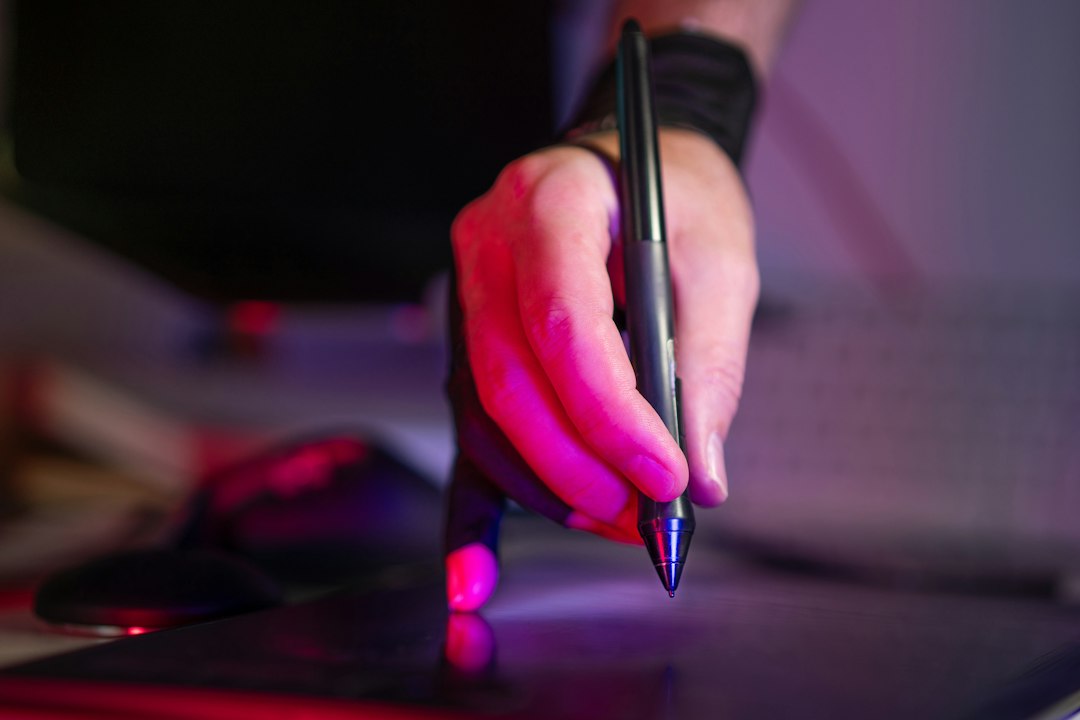
Graphic tablets are indispensable for any designer looking to create intricate digital artwork. They offer precision and control that a mouse simply cannot match. With a tablet, you can draw, sketch, and paint with a natural feel, making your designs come alive. Brands like Wacom and Huion provide excellent options that cater to various budgets and skill levels, ensuring that every designer can find the right fit.
When Sarah first used a graphic tablet, she was amazed at how much her workflow improved. She could easily translate her hand-drawn sketches into digital formats without losing the essence of her original ideas. This tool not only enhanced her creativity but also allowed her to work more efficiently, ultimately leading to happier clients and more successful projects.
2. Professional Design Software
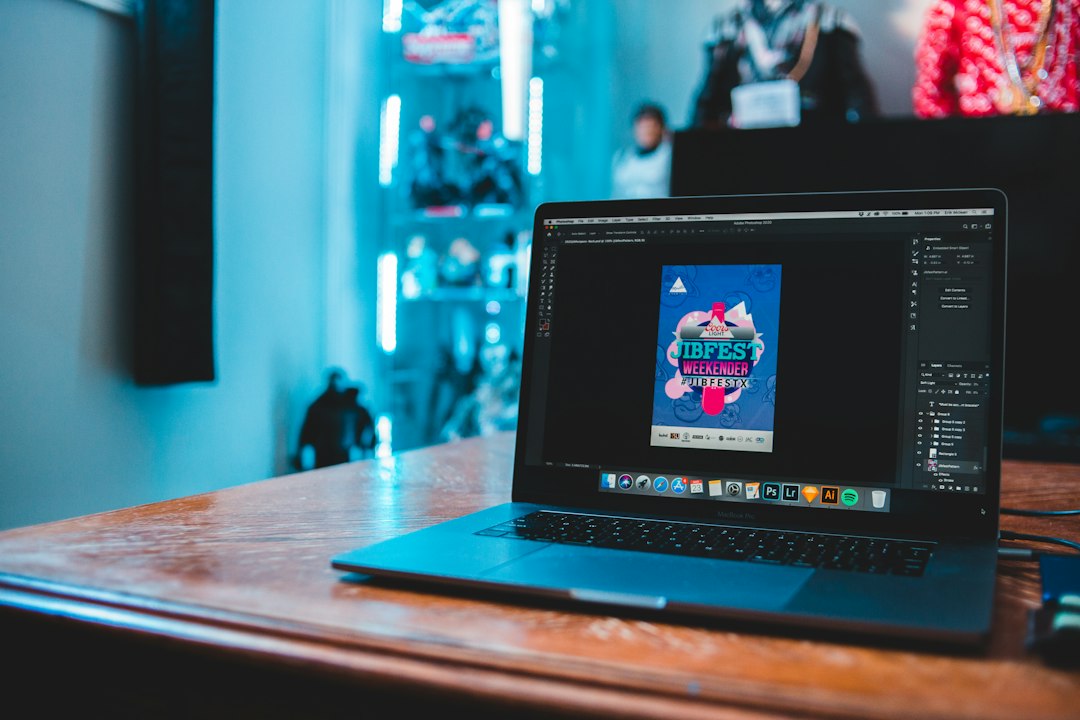
No graphic designer can thrive without access to professional design software. Programs like Adobe Creative Suite, CorelDRAW, and Affinity Designer are industry standards that provide powerful tools for creating stunning visuals. These applications offer a wide range of features, from vector graphics to photo editing, allowing designers to tackle any project that comes their way.
Sarah shared her experience with Adobe Illustrator, emphasizing how it transformed her design process. With its robust capabilities, she could create complex illustrations and manipulate typography with ease. The learning curve might be steep, but once you master these tools, the possibilities are endless, and your designs will stand out in a competitive market.
3. Quality Stock Images and Graphics
Having access to high-quality stock images and graphics can elevate your designs significantly. Websites like Unsplash, Pexels, and Shutterstock offer vast libraries of visuals that can complement your work. These resources save time and provide inspiration, allowing you to focus on the creative aspects of your projects rather than spending hours searching for the perfect image.
Sarah often incorporates stock images into her designs, and she finds that they add a professional touch to her work. By using these resources wisely, she can create visually appealing compositions that resonate with her audience. The key is to choose images that align with your brand’s message and enhance the overall aesthetic of your designs.
4. Typography Resources
Typography plays a crucial role in graphic design, and having access to a diverse range of fonts can make a significant difference in your projects. Websites like Google Fonts and Adobe Fonts offer extensive libraries of typefaces that can be easily integrated into your designs. Choosing the right font can convey your message effectively and set the tone for your work.
Sarah learned the importance of typography early in her career. She discovered that the right font could evoke emotions and create a connection with her audience. By experimenting with different typefaces, she found her unique style and developed a keen eye for pairing fonts that complement each other beautifully.
5. Color Palettes and Tools
Color is a powerful element in design, and having the right tools to choose and manage your color palettes is essential. Websites like Coolors and Adobe Color allow designers to create harmonious color schemes that enhance their work. Understanding color theory and how different colors interact can elevate your designs and make them more visually appealing.
Sarah often uses these tools to experiment with color combinations before finalizing her designs. She learned that the right palette can transform a mediocre design into something extraordinary. By being intentional with her color choices, she can evoke specific emotions and create a cohesive look across her projects.
6. Mockup and Presentation Tools
Presenting your designs effectively is just as important as creating them. Mockup tools like Placeit and Smartmockups allow designers to showcase their work in realistic settings, making it easier for clients to visualize the final product. These tools can help you create stunning presentations that highlight your designs in the best light.
Sarah found that using mockups significantly improved her client presentations. By placing her designs in real-world scenarios, she could convey the impact of her work more effectively. This approach not only impressed her clients but also helped her secure more projects, as they could see the potential of her designs in action.
7. Online Learning Platforms
Continuous learning is vital in the ever-evolving field of graphic design. Online platforms like Skillshare and Udemy offer courses that cover a wide range of topics, from software tutorials to design principles. Investing in your education can help you stay ahead of the curve and refine your skills.
Sarah took several courses on these platforms and found them invaluable for her growth as a designer. She learned new techniques and gained insights from industry experts that she could immediately apply to her work. The lesson learned: never stop learning, as the design world is constantly changing, and staying updated is key to success.
8. Project Management Tools
As a graphic designer, managing multiple projects can be challenging. Tools like Trello and Asana help you stay organized and keep track of deadlines. These platforms allow you to create to-do lists, set reminders, and collaborate with clients and team members seamlessly.
Sarah implemented project management tools into her workflow and noticed a significant improvement in her productivity. By keeping everything organized, she could focus on her creative work without getting overwhelmed by administrative tasks. This change allowed her to deliver projects on time and maintain strong relationships with her clients.
9. Feedback and Collaboration Tools
Receiving feedback is crucial for any designer, and tools like InVision and Figma facilitate collaboration with clients and team members. These platforms allow you to share your designs and gather input in real-time, streamlining the revision process and ensuring everyone is on the same page.
Sarah appreciated the efficiency these tools brought to her projects. By collaborating effectively, she could make adjustments based on client feedback without the back-and-forth emails that often slow down the process. This approach not only improved her designs but also strengthened her client relationships.
10. Networking and Community Platforms
Finally, connecting with other designers can provide invaluable support and inspiration. Platforms like Behance and Dribbble allow you to showcase your work and engage with a community of creatives. Networking can lead to collaboration opportunities and help you stay motivated in your design journey.
Sarah found that being part of these communities enriched her experience as a designer. She could share her work, receive constructive criticism, and draw inspiration from others. This sense of belonging fueled her passion for design and encouraged her to push her creative boundaries.